
We're Not Waiting for Fashion to Fix Itself
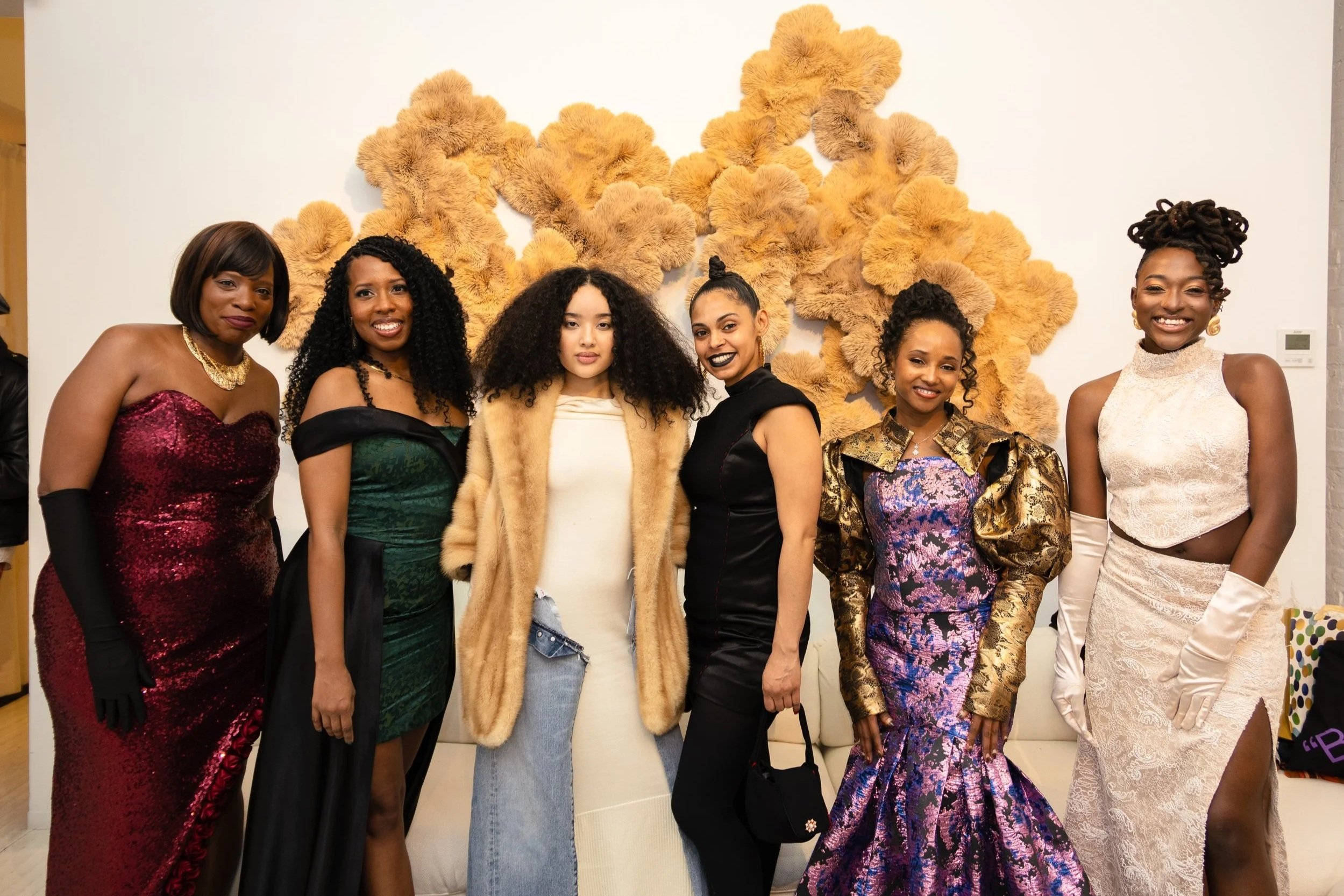
Credit: Daleelah Saleh
Sustainability in fashion is falling behind. In the first half of 2026 alone, we’ve seen cornerstones of the sector abandon the values they once upheld. All while consumers continue to report confusion over brands’ sustainability messaging. Evidence is piling up in real time that industrial-scale brands are not the industry's savior many once hoped. For the last 10 years, Custom Collaborative has been working outside the system to build sustainable fashion infrastructure with an entirely different orientation: smaller, more local, and owned by the people doing the work instead of the people extracting value from it. Recent headlines make the case for why.
Earlier this year, Allbirds, once the height of sustainable footwear, sold off all of its physical assets, completely abandoning its founding principles. In a statement, the company outlined plans to pivot the business entirely to AI, a contentious topic in the very sustainability circles Allbirds once helmed.
Then came Everlane’s acquisition by Shein last month. Founded on the promise of “radical transparency,” Everlane’s $100 million sale to the notorious fast-fashion behemoth had both industry insiders and consumers reeling. What does it say when a symbol of a fashion industry in reform gets absorbed by the exact model it claimed to be the alternative to?
Even fashion companies staying the course are running into a different problem: nobody can tell what "sustainable" means anymore (A topic our CEO, Ngozi Okaro, and mending expert Kate Sekules discussed at length at our Earth Day mending event. Listen here!). Just this month, the latest Paris Good Fashion survey found that consumers' top concern is the lack of clear and reliable information regarding sustainable fashion.
From mission commitment and brand viability to audiences who can’t decipher what’s what, 2026 is proving that the fashion sustainability playbook, as it stands now, is failing at every level. After years of wavering commitments and quiet sustainability rollbacks, this reads less like an off year or a string of bad brand luck. It’s the symptoms of a broken model coming to a head. So we’re doing our part to build a different one.
Custom Collaborative approaches industry change from the ground up. We train women for careers and entrepreneurship in sustainable fashion, teaching the technical skills and business knowledge to run their own environmentally conscious enterprises (even using deadstock fabric in the classroom). From there, we partner with other cooperative developers to incubate worker-owned businesses, strengthening the systems that let women collectively own and manage what they build.
That ownership structure means the founding commitments to transparency, fair wages, and sustainable production can't be sold off or abandoned the moment a better trade comes along, because the people who hold those values are the same people with a stake in both the business and their local communities. Our vision for the industry acknowledges that the scale of a smaller business doesn't just mean reducing waste. It’s a model rooted in place that people can actually see and understand. There's no certification to decode or transparency report to interpret, because the process is plain to see: who made it, where, and how.
Again and again, we hear the same sentiment from our participants: I was already living sustainably. I just didn't know the word for it. The communities we serve are the archetypes of sustainable living, and long before it was the industry’s favorite buzzword, it was a cultural way of life. One that we’re partnering alongside them to amplify.
Sustainability in fashion doesn’t need more industrial-scale brands backed by venture capital. What it needs is an entirely different orientation: smaller, more local, and owned by the people doing the work instead of the people extracting value from it. It’s the only model we see that’s actually built to last, and we’re excited to be building it alongside you.