
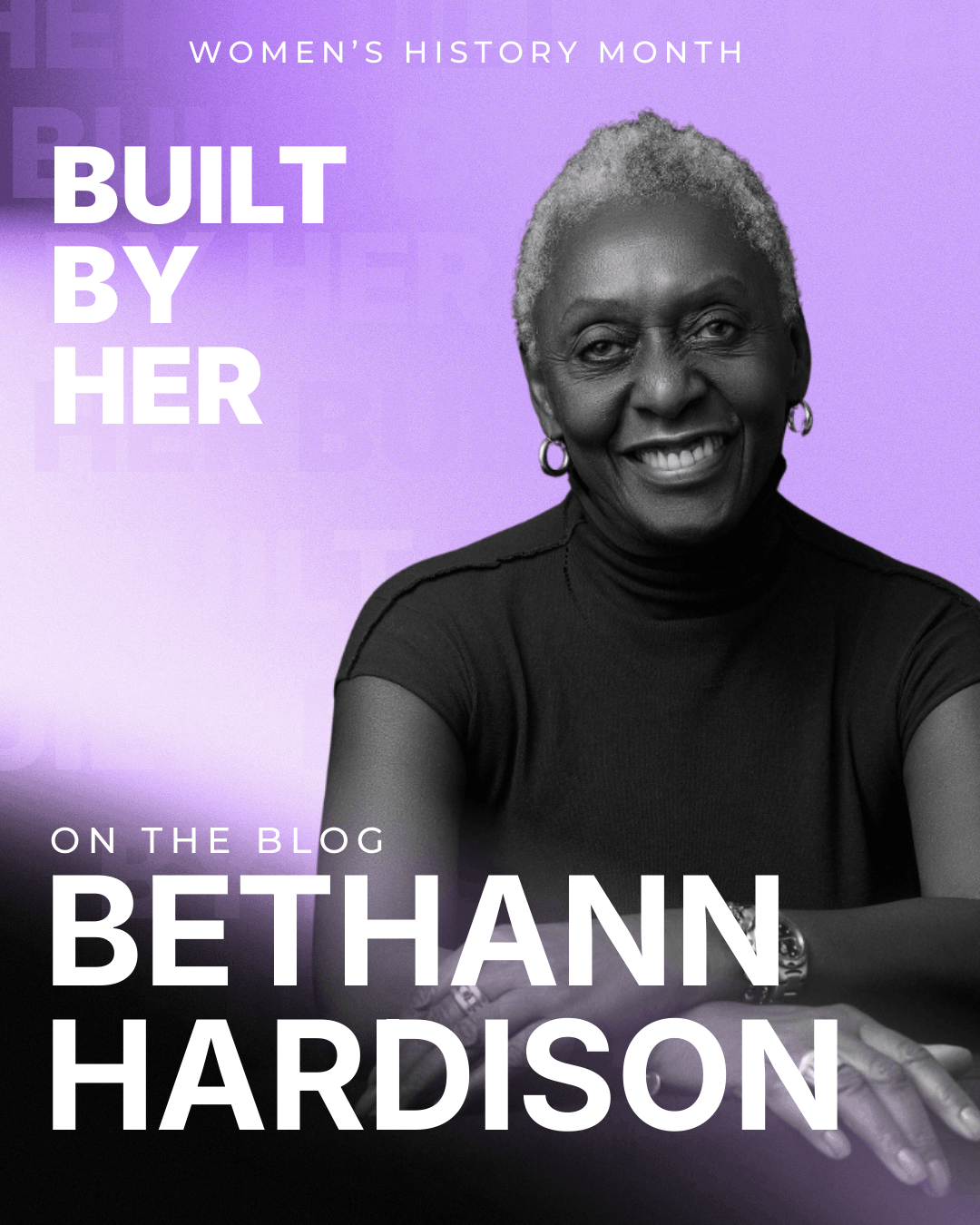
Before Custom Collaborative. Before fashion’s Diversity Coalition. Before the Black issue of Vogue Italia or the “Black is beautiful” movement, there was Bethann Hardison.
Bethann has worn many hats in her decades-long career, each one transformative and revolutionary to fashion in different ways.
Her legacy is often told through milestones in fashion history, but what we see in her journey is the ecosystem of supportive women that made each leap possible, and the way she, in turn, became that support for others.
Her story is a powerful and timely reminder about the strength of women’s support, especially in an industry often categorized as cutthroat and catty.
Bethann began her fashion career in the ‘60s, working at a custom button factory in the Garment District — the same neighborhood Custom Collaborative calls home today.
She went on to join Ruth Manchester Ltd., a junior dress company led by two sisters, Ruth on design and Sylvia on the business side. Already one of the first female-owned and operated garment-manufacturing companies in New York, this pair was no strangers to breaking barriers.
Though Bethann was hired as an office assistant, Sylvia ended up training her in sales, making her the first Black salesperson in a showroom.
When a buyer arrived for an appointment and refused to work with her, Sylvia stood firmly behind Bethann, affirming her experience and declining to take the meeting. In that moment, she chose to back Bethann’s authority, even at the risk of losing a sale.
That kind of unwavering support gave Bethann the confidence to bet on herself. Not long after, while delivering samples to Bernie Ozer at Federated Stores (whose shows were among the most influential in the garment industry at the time), she made her pitch: “If you really want a great show, you’ll have me in it.”
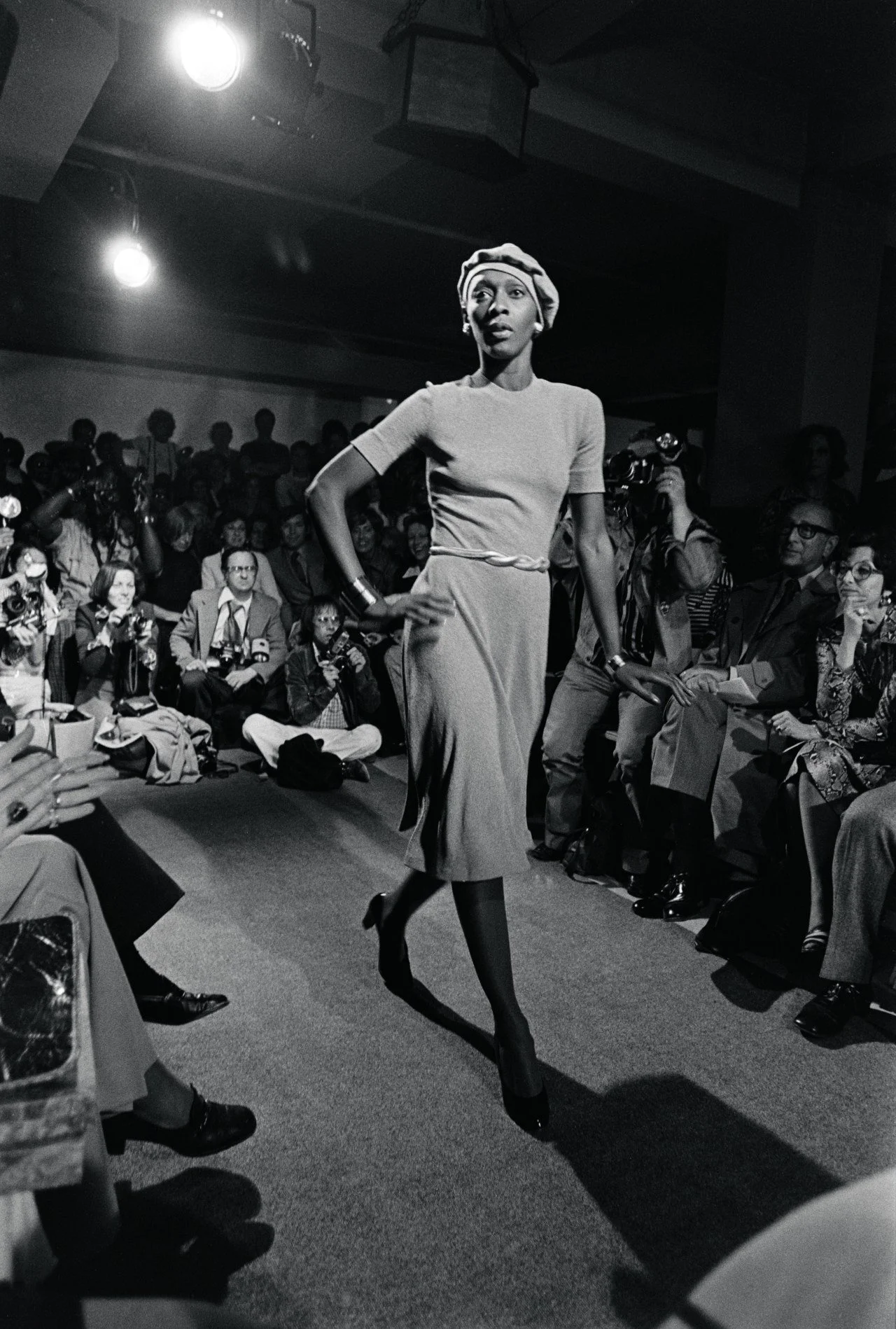
Model Bethann Hardison on the runway at Clovis Ruffin Fall 1974 | Credit: WWD
Bethann stepped onto the global fashion stage during a pivotal moment for American fashion — the 1973 Battle of Versailles fundraiser. The event pitted five American designers against France’s haute couture giants in a legendary runway showdown.
It was Bethann and her peers, like Billie Blair and Pat Cleveland, whose defiant, energetic performance helped the American designers steal the show, giving broader recognition to American designers and Black models.
But modeling was only the beginning.
Over the next decade, Bethann made the transition to businesswoman, first working at Click Models and eventually launching her own namesake agency, Bethann Management, which came together with the help of women who believed so fiercely in Bethann’s ability that they were willing to take financial risks to help make it happen.
Bethann credits Bonnie Berman for securing the funds necessary to get Bethann Management off the ground; however, even with that support, the agency would be going up against industry goliaths like Elite Model Management and Ford Models, who could afford to pay their talent in advance.
Bethann Management launched with seven models who each agreed to wait to be paid until the funds came through. That trust became the foundation for 13 years of success.
The agency grew to represent 75 models that were maintained in the country, including some of the industry’s biggest names, challenging prevailing notions of beauty and expanding what success could mean for models throughout the industry.
It was during that time that Bethann signed Tyson Beckford to a first-of-its-kind, exclusive multi-year contract with Ralph Lauren. Among her other early discoveries were Roshumba Williams, one of the first Black models to appear in the Sports Illustrated Swimsuit issue, and Veronica Webb, who would go on to become one of the first Black models to land a major cosmetics contract. Under her guidance, the paradigm began to shift for what power models could hold with major brands in the industry.
In the decades that followed, Bethann became an outspoken advocate for equity and inclusion within the fashion industry.
In 1988, she co-founded the Black Girls Coalition with Iman, evolving it from a celebratory collective into an industry watchdog group challenging racism in advertising. A notable example of their advocacy came in 1992, when she and the Coalition organized a press conference to address the underrepresentation of people of color in commercial advertising.
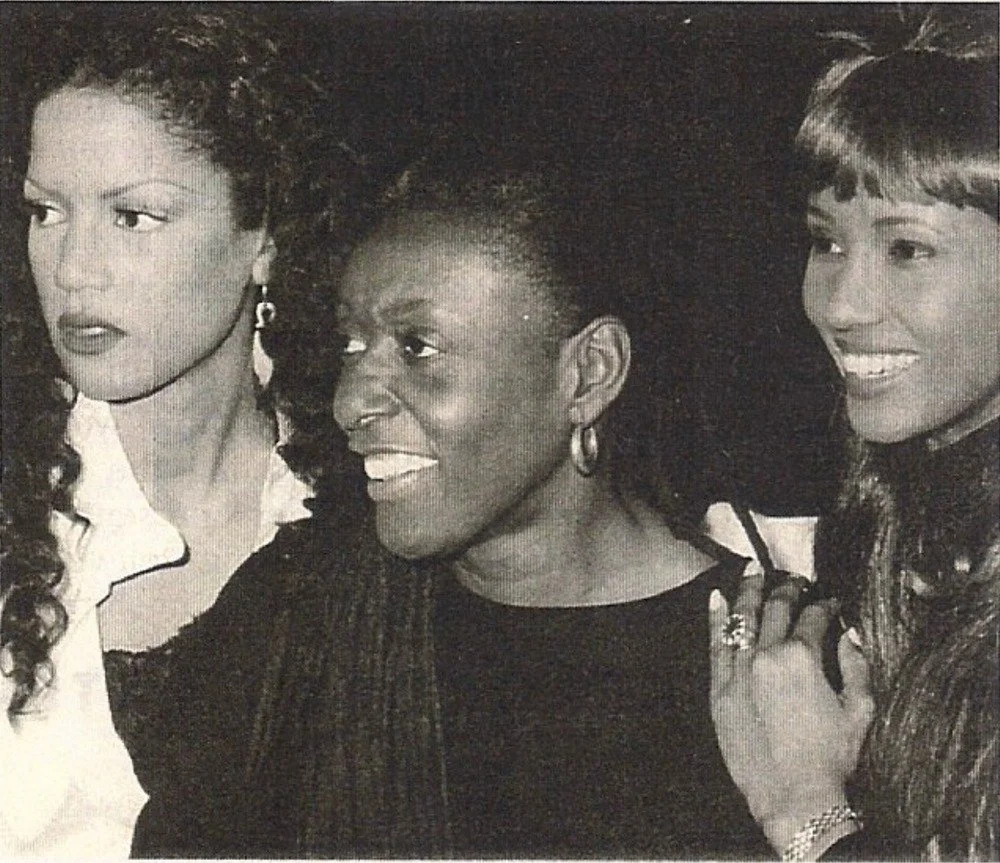
L-R: Veronica Webb, Bethann Hardison, Iman; Black Girls Coalition Press Conference, Dec. 1992
In 2007, following a significant decline in racial diversity among models, Bethann held a press conference to confront the fashion industry’s lack of inclusion. Bethann was tapped to collaborate with Franca Sozzani on Vogue Italia’s “All Black” issue, an edition that was reprinted twice, marking a first in Condé Nast history.
In 2013, she further escalated her advocacy by sending open letters to the fashion councils of New York, London, Milan, and Paris, calling out the ongoing lack of racial diversity in the model industry.
Time and time again, when representation slipped and casting directors treated blatant exclusion as an acceptable norm, Bethann used her voice to address the issue head-on. And she continues to do so, having expanded her advocacy in recent years to help emerging designers build sustainable businesses as a founder of the Designer Hub.
One thing Bethann will tell you: none of this happened alone. Each of these moments was backed up by a community of women, pushing her to do and be more.
That is the spirit of Custom Collaborative. By providing training, community, and opportunity to women from marginalized communities, Custom Collaborative operates from the same belief that shaped Bethann’s early career: talent grows when it is trusted; leadership emerges when it is supported.
Bethann’s legendary career and the industry-wide impact she has helped shape are all the proof we need of what’s possible when women support other women on our shared journey toward a more equitable world.
This Women’s History Month, we’re reflecting on the generations of women who have fought for a brighter tomorrow, even without recognition, resources, or equitable access to opportunity.
Today, we can carry that legacy forward by coming together to close the gap between talent and access. Your donation helps provide the hands-on training, business education, and community support women need to transform their skills into sustainable careers.
Help us invest in a more equitable future — one that is designed and built by her — with a one-time or monthly gift. Every dollar has an impact!